

Call us now
08071793734

 Send Inquiry
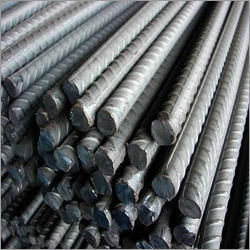
Thermo Mechanically Treated Bars
MOQ : 9 Tons
Thermo Mechanically Treated Bars Specification
- Application
- Construction, Reinforcement of Concrete
- Surface Treatment
- Ribbed, Corrosion Resistant
- Material
- Mild Steel, Carbon Steel
- Thickness
- As per diameter specification
- Technics
- Thermo Mechanical Treatment
- Grade
- Fe 415, Fe 500, Fe 550, Fe 600
- Type
- Thermo-Mechanically Treated (TMT) Bar
- Tolerance
- +/- 0.5 mm
- Shape
- Round
- Standard
- IS 1786:2008, BS 4449, ASTM A615
- Steel Type
- High strength deformed steel
- Dimensions
- 8 mm to 40 mm diameter
- Length
- Standard 12 meters or custom cut
- Bond Strength
- Enhanced rib pattern for superior grip
- Weldability
- Excellent
- Elongation
- Minimum 12% to 18%
- Bendability
- Excellent
- Rust Resistance
- Yes, with optional epoxy coating
- Fatigue Resistance
- High
- Yield Strength
- 415 - 600 MPa
- Color
- Grey (natural steel)
Thermo Mechanically Treated Bars Trade Information
- Minimum Order Quantity
- 9 Tons
- Supply Ability
- Ton
- Delivery Time
- 7 Days
- Main Domestic Market
- Delhi, Uttar Pradesh
About Thermo Mechanically Treated Bars
We have been serving our respected clients since 1994 by offering them a qualitative range of Thermo Mechanically Treated Bars. They are reinforced steel and wire rods primarily used in construction industries. These bars are highly appreciated by our clients for their high resistance to rust and corrosion even in areas of high humidity. It is manufactured by a three-stage process: quenching, self-tempering, and atmospheric cooling. Offered Thermo Mechanically Treated Bars are available in different sizes, lengths, and finishes to meet varying needs of our clients.
Features:
-
Very high tensile strength
-
Excellent durability and impact resistance
-
Free from rusting and corrosion
Exceptional Mechanical Strength and Ductility
TMT bars deliver a high yield strength from 415 to 600 MPa, paired with a minimum elongation of 12% to 18%. This unique combination of strength and ductility enhances their ability to absorb energy and deform without failure, ensuring reliable performance in demanding construction applications such as multi-story buildings and infrastructure projects.
Advanced Corrosion and Rust Protection
These bars come with thorough corrosion-resistant properties, thanks to a specialized ribbed surface and the option of an epoxy coating. This protection ensures longevity and durability even in environments prone to moisture, offering peace of mind when constructing in coastal or humid regions.
Designed for Superior Bonding and Safety
Featuring an enhanced rib pattern, TMT bars provide excellent grip with concrete, minimizing slippage and improving the overall bond strength of reinforced structures. This property is crucial for seismic zones, as it significantly upgrades the structural integrity and safety of buildings.
FAQs of Thermo Mechanically Treated Bars:
Q: How are TMT bars manufactured through the Thermo Mechanical Treatment process?
A: TMT bars are produced by rapidly quenching hot steel rods from the rolling mill with water, which forms a tough outer surface while maintaining a flexible core. This process results in exceptional strength and ductility, meeting structural and safety requirements for modern construction.Q: What standards do these TMT bars adhere to, and why is this important for construction?
A: These TMT bars comply with standards like IS 1786:2008 (India), BS 4449 (UK), and ASTM A615 (USA). Such adherence guarantees consistent quality, mechanical performance, and compatibility with global construction codes, ensuring confidence for architects and engineers.Q: When should a builder choose TMT bars with epoxy coating?
A: Epoxy-coated TMT bars are ideal for projects in coastal, humid, or corrosive environments. The coating provides an additional barrier against rust and corrosion, significantly extending the service life of reinforced concrete structures in challenging conditions.Q: Where can TMT bars be used in building construction?
A: TMT bars are primarily used for reinforcing concrete in structures such as residential and commercial buildings, bridges, dams, and highways. Their high strength and bendability make them suitable wherever durable, load-bearing reinforcement is necessary.Q: What makes TMT bars excel in fatigue and seismic resistance?
A: The combination of high strength, ductility, and a unique ribbed surface ensures TMT bars can absorb dynamic loads and resist fatigue cracking. This makes them particularly advantageous for use in earthquake-prone regions, providing enhanced safety.Q: How does the enhanced rib pattern benefit concrete reinforcement?
A: The advanced rib pattern on TMT bars increases the friction and bonding with concrete, significantly reducing the risk of slippage under load. This leads to improved structural integrity, especially in critical load-bearing components.Q: What are the advantages of custom-cut TMT bar lengths and precise diameter tolerances?
A: Custom-cut lengths and tight diameter tolerances (0.5 mm) minimize material waste and ensure an exact fit for design specifications. This not only simplifies site operations but also helps achieve optimal reinforcement distribution throughout the structure.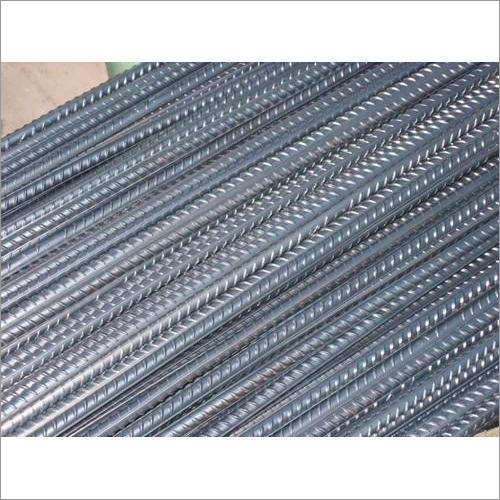
Tell us about your requirement

Price:
Quantity
Select Unit
- 50
- 100
- 200
- 250
- 500
- 1000+
Additional detail
Mobile number
Email

More Products in TMT Bar Category
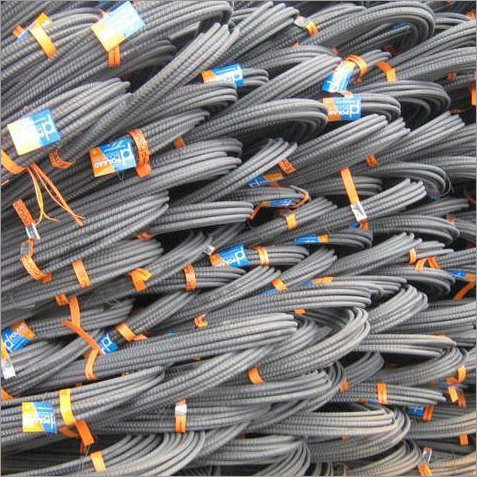
Tmt Bars
Price Range 38000.00 - 44000.00 INR / Ton
Minimum Order Quantity : 9 Tons
Dimensions : 8mm to 32mm (diameter)
Steel Type : High Strength Deformed Steel
Standard : IS 1786
Application : Construction, Industrial, Building, Bridge, etc.
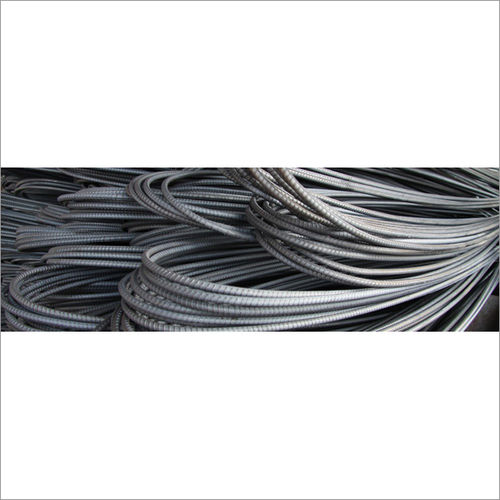
Iron TMT Bar
Minimum Order Quantity : 9 Tons
Dimensions : 12 mm diameter
Steel Type : Mild Steel
Standard : IS 1786:2008
Application : Construction
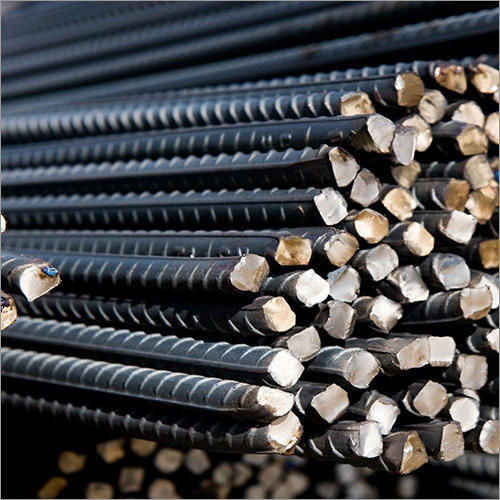
Jindal 8mm Tmt Bar
Price Range 38000.00 - 44000.00 INR
Minimum Order Quantity : 9 Tons
Dimensions : 8mm diameter
Steel Type : Mild Steel
Standard : IS 1786:2008
Application : Construction, Reinforcement of concrete structures
Steel TMT Bars
Price Range 38000.00 - 44000.00 INR
Minimum Order Quantity : 9 Tons
Dimensions : 8mm to 32mm diameter
Steel Type : Mild Steel, Alloy Steel
Standard : IS 1786:2008
Application : Construction, RCC structures, infrastructure projects

"We are dealing in bulk quantity"
INDIAN STEEL COMPANY
Lucknow, Uttar Pradesh, India
Lucknow, Uttar Pradesh, India
193, Gautam Budha Marg, Bansmandi, The Hamam, Naka Hindola, Lucknow - 226018, Uttar Pradesh, India
Phone :08071793734

 Send Inquiry
 Send Inquiry
 Send SMS
INDIAN STEEL COMPANY
All Rights Reserved.(Terms of Use)
Developed and Managed by Infocom Network Private Limited.
Developed and Managed by Infocom Network Private Limited.

